

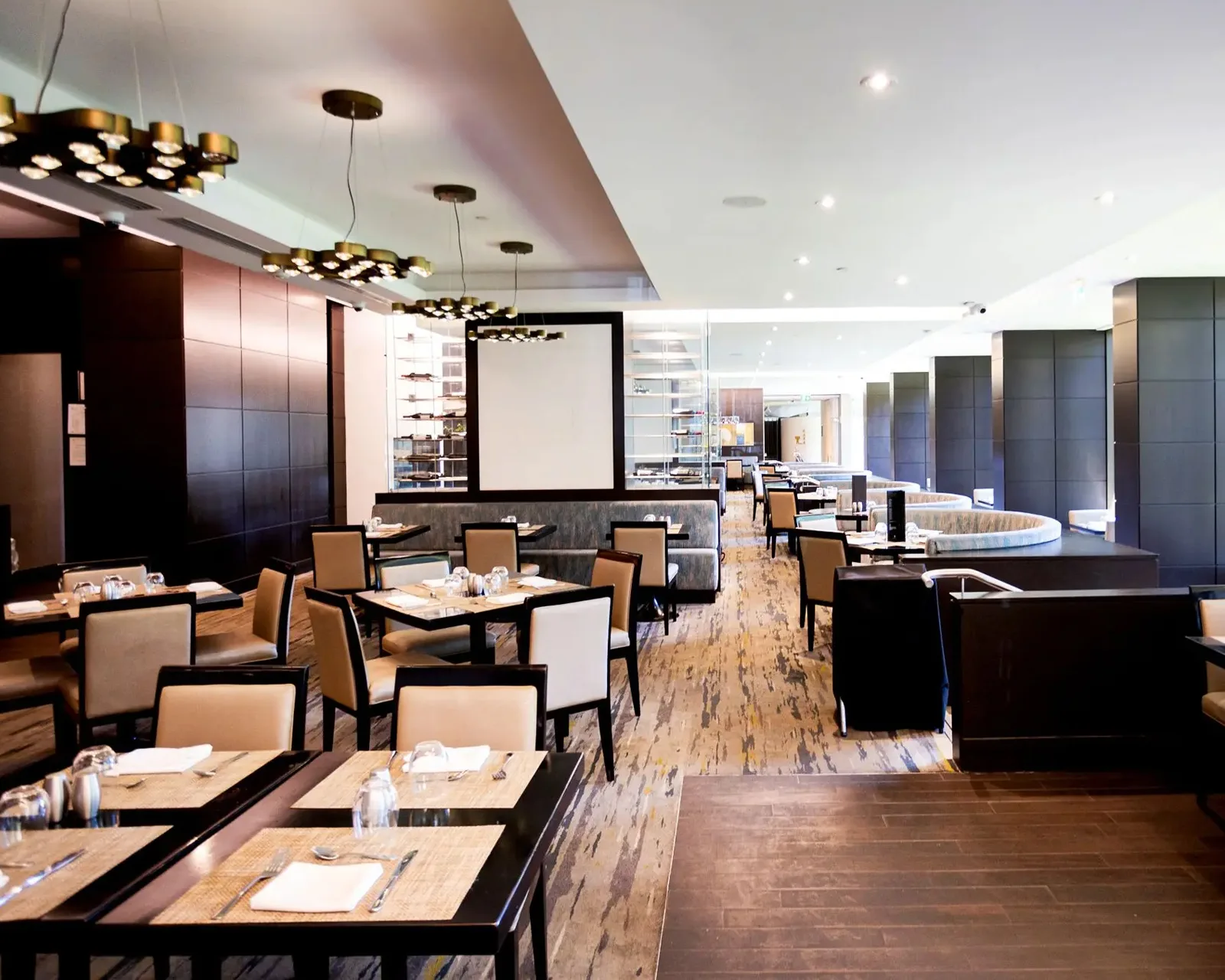
FF&E means furniture, fixtures and equipment. OS&E means operating supplies and equipment. In hotel procurement, FF&E commonly covers items used to furnish and equip the hotel space, while OS&E covers the supplies and equipment used in day-to-day operation.
The distinction is useful for organizing purchases, but it does not settle every boundary. A hotel's brand requirements, operating model and contract structure can place particular items in different procurement scopes.
For a procurement team, the working question is who will specify, buy, receive and prepare each item for use. Agree that responsibility even when the category name remains open to discussion.
Compare the categories through hotel spaces
The examples below are common ways to organize a scope discussion, not universal classification rules.
| Space or function | Typical FF&E discussion | Typical OS&E discussion |
|---|---|---|
| Guestroom sleeping area | Bed base, headboard and bedside furniture | Sheets, pillowcases and other operating linens |
| Guestroom storage | Wardrobe and storage furniture | The operating items stored or presented within it |
| Restaurant | Dining tables, chairs and service furniture | Plates, cutlery, glassware and table linens |
| Reception | Reception desk and seating | Guest-service supplies used at the desk |
| Housekeeping support | Storage furniture within the agreed package | Cleaning supplies and operating equipment, as assigned by the project |
OS&E is not limited to disposable products. Some operating equipment is used repeatedly. Likewise, furniture can be fixed or loose, so whether an item can be moved is not a reliable way to assign the entire purchase.
Use the project's own scope schedule to resolve exceptions. This guide does not determine accounting treatment or replace advice from the people responsible for the property's financial policies.
A category does not define a supplier's scope
A supplier offering FF&E services may still quote only part of the project. Check the actual item list, exclusions and responsibilities instead of assuming that the acronym covers every furnishing or piece of equipment.
The same applies to OS&E. A supply contract might cover selected operating categories rather than everything required for opening. Record what is included and name the person responsible for items handled elsewhere.
Keep the category and supply responsibility in separate fields. "FF&E" tells the team how an item is being grouped; it does not tell the team who is buying it or whether the price includes delivery and installation.
This distinction also protects a furniture enquiry from becoming an undefined request for a complete hotel opening package.
Resolve the items that cross package boundaries
A minibar arrangement can involve a cabinet, an appliance and operating items placed inside or alongside it. These may come from different sources. The cabinet quotation should say whether it includes the appliance, while the project team still needs to coordinate the relevant equipment and access information.
Beds create another boundary. Record the bed base, mattress, headboard and linens as identifiable items, even if some are purchased together. "Bed package" needs a definition before quantities or prices can be compared.
For decorative lighting, clarify both the supply category and the installation responsibility. An item listed in an FF&E schedule does not automatically make the furniture supplier responsible for electrical work.
Treat these as coordination questions. The aim is to avoid an unassigned item or an item ordered twice, not to force every project into one naming convention.
Build a responsibility register alongside the list
Give each item a reference that stays consistent across the design, budget and purchase documents. Then record the decisions needed to move it forward.
| Responsibility field | Question to answer |
|---|---|
| Category | How does this project classify the item? |
| Specification | Who defines the product and technical requirements? |
| Approval | Who can accept the selection and any substitutions? |
| Purchase | Who places the order and holds the supplier agreement? |
| Delivery and receipt | Who arranges delivery and checks what arrives? |
| Installation or setup | Who assembles, fixes, connects or prepares it for use, where applicable? |
| Budget ownership | Which approved budget covers the item and related costs? |
| Status and exclusion | What is confirmed, still open or expressly outside the package? |
The sheet does not have to be elaborate. What matters is that the same answer appears in the quotation and the project documents. If two parties both mark an item as excluded, a new owner needs to be named for it.
Where technical connections are involved, obtain input from the responsible trade or specialist. A purchasing label should not become an implied technical approval.
Review both budgets without merging their assumptions
Keep furniture and operating-supply quantities traceable to their own basis. Furniture may be counted from layouts and room types; operating stock needs the operator's input on service and replenishment requirements.
Do not apply the same spare or stock percentage to both simply because they are part of the same hotel opening. Ask the relevant team to define its requirement and the storage arrangements.
Compare the combined scope for omissions, but preserve the individual budget owners and assumptions. If an item moves between packages, update both sides. Otherwise, one budget can remove it before the other has accepted the change.
The accounting treatment of a purchase should be confirmed separately. An FF&E or OS&E label in a procurement spreadsheet is not a complete financial decision.
Check quotations before placing orders
Ask each supplier to identify the exact item references and document versions used in its offer. Review substitutes, packaging, delivery and any site work in addition to the products themselves.
For an overlapping item, obtain a clear written answer rather than relying on a phrase such as by others. Name the other party and confirm that it has accepted the responsibility.
When scope changes, update the item list, budget and responsibility register together. The team receiving the goods should be able to see what is expected and who handles a missing or incorrect item.
Common questions
Are all consumables OS&E?
Consumables such as toiletries and cleaning supplies are commonly discussed within operating supply scopes, but the project should define its categories and responsibilities. The more useful check is whether the item has an approved purchasing owner.
Is OS&E always purchased separately from FF&E?
It can be managed separately or coordinated within a broader procurement arrangement. Either way, the contract needs an itemized scope. One point of contact does not remove the need to identify what is included.
Does Grandmeca supply every OS&E item?
Do not assume that. This article explains project boundaries; the scope of a Grandmeca proposal needs to be confirmed against the actual enquiry and item list.
Bring the boundary questions into the enquiry
Share the project location, room count and furniture list with Grandmeca. Mark appliances, operating supplies and site work that appear alongside the furniture, and state which parties are currently responsible for them.
That gives the scope review a clear starting point, including the questions that cannot be settled by the acronym alone.


