

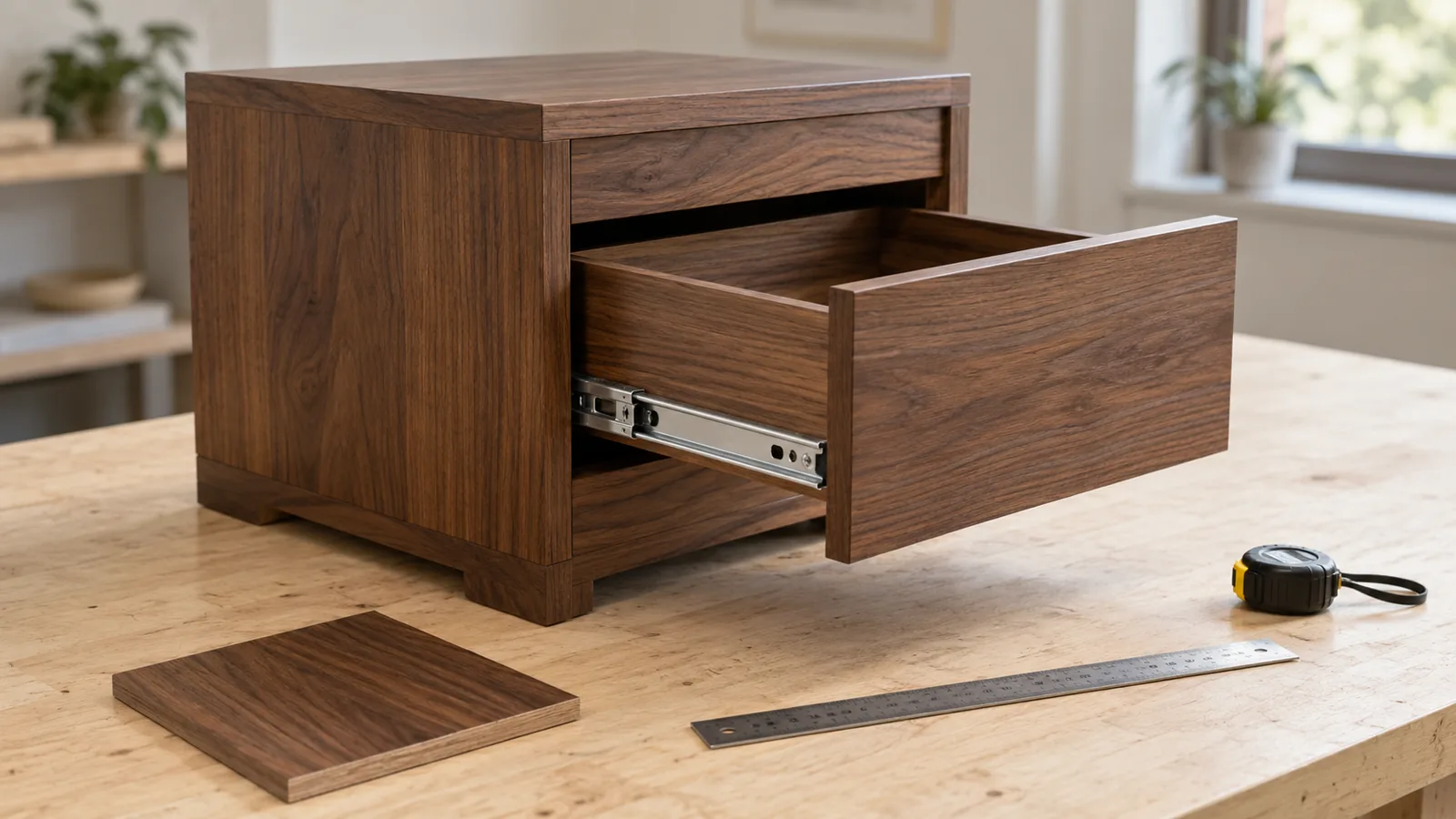
A hotel furniture pre-shipment inspection should compare the agreed batch against the current approved drawings, specifications and physical references. Record which items were inspected, what differed and who can approve release. The report should make the limits of the inspection clear, especially when it covers a sample rather than every item.
The approved mock-up establishes a reference before bulk production. Pre-shipment inspection examines the products prepared for the order. These are separate decisions: approving a sample does not show that every later piece matches it.
Agree the inspection brief before the visit
List the order, item codes and quantities included in the inspection. Identify the required production and packing status, the inspection location and the person authorised to make release decisions. If the brief uses sampling, agree the method and acceptance criteria with the appointed inspection parties before the visit.
Do not choose a sample percentage from a general article. The appropriate inspection arrangement depends on the contract, product and project requirements. If a particular standard is specified, confirm the applicable version and how the inspection will use it.
SGS describes furniture inspections at several stages, including during production, final random inspection and loading supervision. Its final inspection scope includes visible attributes such as appearance, quantity, packaging and labelling. That distinction is useful when commissioning work: a final product inspection and supervision of loading answer different questions.
Assemble the current reference set
Give the inspector the same item codes and revisions that govern the order. Include the approved physical sample or an agreed method of referring to it. Make approved deviations visible so the inspector does not report an authorised change as an unexplained defect.
Check the reference hierarchy with the buyer and supplier. If a photograph, drawing and physical sample appear inconsistent, decide which governs the disputed feature before asking an inspector to judge it. A photograph can document an issue, but it is a limited basis for judging colour or texture.
Use the mock-up room approval record to identify accepted details and unresolved conditions. Confirm that later revisions have reached the inspection brief.
Inspect the item against defined checks
Turn broad expectations into observable checks. "Good quality" does not tell an inspector which measurement, finish detail or function to examine. Specify the relevant criteria without claiming that a visual inspection replaces laboratory testing or specialist verification.
Inspection area | Reference to use | Evidence to capture |
|---|---|---|
Item identity and quantity | Order and packing information | Item codes, quantities and inspection coverage |
Dimensions and configuration | Approved drawing revision | Required measurements and any deviation |
Appearance | Agreed physical finish and acceptance references | Location and description of visible differences |
Doors and drawers | Approved item and agreed functional checks | Observed operation and affected component |
Included components | Item and accessory lists | Missing, incorrect or unverified parts |
Packaging and labels | Agreed packing requirements | Package identification and observed condition |
Confirm the tools and access needed for the agreed measurements. If an item cannot be checked because it is inaccessible or already packed, record that limit. An unchecked feature should not silently become a passed feature.
Write a discrepancy so someone can act on it
A useful record identifies the item, the inspected piece or package, the relevant reference and the observed difference. Add an overall photograph for context and a closer photograph where needed. Record a measurement when the issue concerns a dimension.
For an illustrative example, suppose the agreed drawing shows a shelf position that differs from the inspected cabinet. The report should identify the cabinet code, drawing revision, expected position and observed position. "Shelf incorrect" leaves too much for the next person to reconstruct.
Ask the responsible parties to assess the correction. The cause may need investigation before the team knows whether the issue affects one piece, a particular batch or the wider order. Avoid presenting an initial observation as proof of the full extent.
Keep correction and acceptance separate
Assign each discrepancy a status and a responsible party. A proposed repair is not a completed repair. A photograph of completed work is not automatically the agreed verification unless the project has accepted that method.
Specify the evidence required to close the issue. That may involve a further inspection, a repeat measurement or another agreed check. If the buyer accepts a deviation, record exactly which items and conditions the acceptance covers.
The authorised party should decide whether to release, hold or partially release the shipment. Identify any items excluded from a partial release and keep the packing information consistent with that decision. Avoid a general "passed" label that hides open exceptions.
Review the packing record after corrections
Check that corrected items retain their identification and that the packing list reflects the actual release. Where parts are packed separately, make their relationship clear. Confirm that agreed protection and labels have been restored after inspection or correction.
If loading supervision is part of the appointment, define its scope separately. Do not assume that an inspector who examined finished furniture also witnessed the final loading or checked every package afterward.
The guide to buying hotel furniture from China covers broader sourcing considerations. The inspection brief should remain specific to the goods and decision at hand.
Does a passed sample inspection guarantee the whole order
No. A sample inspection reports on the agreed coverage under the chosen method. It does not establish that every uninspected piece is free from defects, or replace tests outside its scope.
Who decides whether the shipment can leave
Use the authority set out in the project agreement. The inspector reports findings within the appointment; the person authorised to release the goods should consider those findings and any open conditions.
Before arranging an inspection, discuss the project references and evidence requirements with Grandmeca. Confirm the actual inspection arrangement for the order rather than assuming a standard percentage, certification or release procedure applies to every project. We welcome inspection by your appointed third-party inspector.
By Grandmeca


